Why University Advertising ?
Advertise in Universities: A Smart Move for Brands
In an increasingly crowded media landscape, attention is one of the hardest things for brands to earn. Consumers scroll quickly, skip ads instinctively and divide their focus across multiple screens. Yet there are still environments where attention is more natural, more sustained and far more valuable. Universities are one of them.
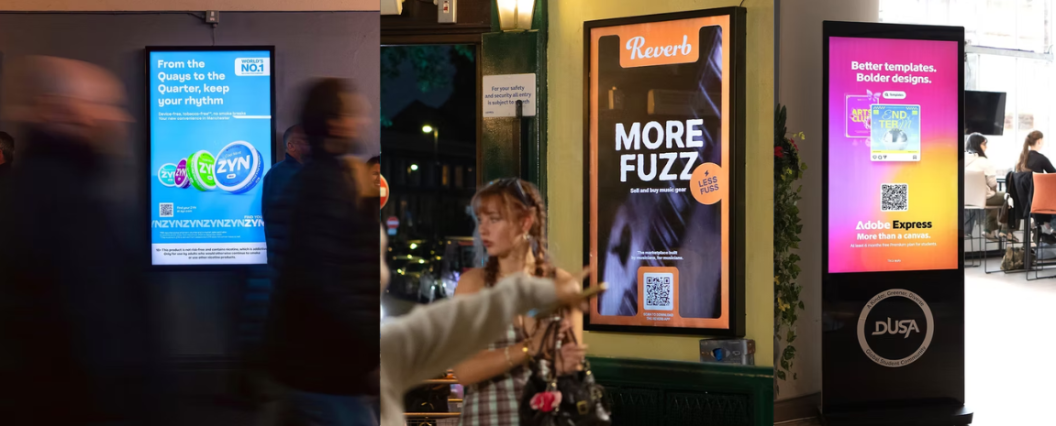
A university campus is not just a place of study; it is a self-contained ecosystem. Thousands of students live, learn and socialise within the same spaces every day. Digital screens positioned in key campus locations: student unions, halls of residence, cafés, atriums and learning commons, sit at the heart of this daily movement. Unlike roadside billboards glimpsed in passing or ads buried in busy social media feeds, these screens are placed in environments where students stick around. They meet friends between lectures, work on group projects, eat lunch, or spend hours studying. Dwell times are high, and that makes opportunities for awareness and response especially high.

When students remain in a space for extended periods, brand messages have more opportunity to land. Advertising in these spaces operate as part of the backdrop of their day rather than an interruption to it. That repeated, steady visibility builds familiarity in a way that fleeting impressions rarely can.
Routine also plays a powerful role. University life follows patterns. Students attend weekly seminars, revisit the same study areas, queue at the same coffee spots and follow familiar paths across campus. This consistent footfall means they encounter the same digital screens time and again. Repetition in a trusted setting strengthens recall and reinforces brand presence. Over time, what begins as awareness can evolve into preference.
What makes university advertising especially compelling is the life stage itself. For many young people, university marks their first real experience of independence. They are managing their own budgets, choosing their own products and shaping their identities. It is a period of experimentation and exploration meaning that brand loyalties are not yet fixed as new habits form.
When a brand connects with students during this formative lifestyle stage, they have the potential to gain a customer for the long-term. The bank they open to manage student finances and part time work, the food brand they rely on during late-night study sessions, the tech platform they use for collaboration, these choices often endure. Reaching students at this point is not simply about short-term sales; it is about building relationships that can last well beyond graduation.

There is also a cultural advantage. Students are socially connected, digitally fluent and influential within their peer groups. Conversations happen quickly, recommendations travel fast and trends spread organically. A strong presence on campus does not exist in isolation; it can ripple outward through social networks and communities.
Digital screens enhance this effect by offering flexibility and immediacy. Creative can be dynamic, timely and tailored to specific campuses or key academic moments. Campaigns can align with fresher periods, exam seasons or graduations. Brands can speak to students in context, when the message feels relevant to their current experience.
Universities, then, are more than high-footfall locations. They are environments of routine, community and transition. They offer high dwell times, repeated exposure and access to audiences at a pivotal moment in their lives. In a world where genuine attention is increasingly rare, campuses provide a setting where brands can be seen consistently, remembered meaningfully and embraced early.
For brands willing to recognise the opportunity, university advertising is not just another media placement. It is an investment in future loyalty.