Underground Cross-Track Advertising
The Hidden Power Below The Ground
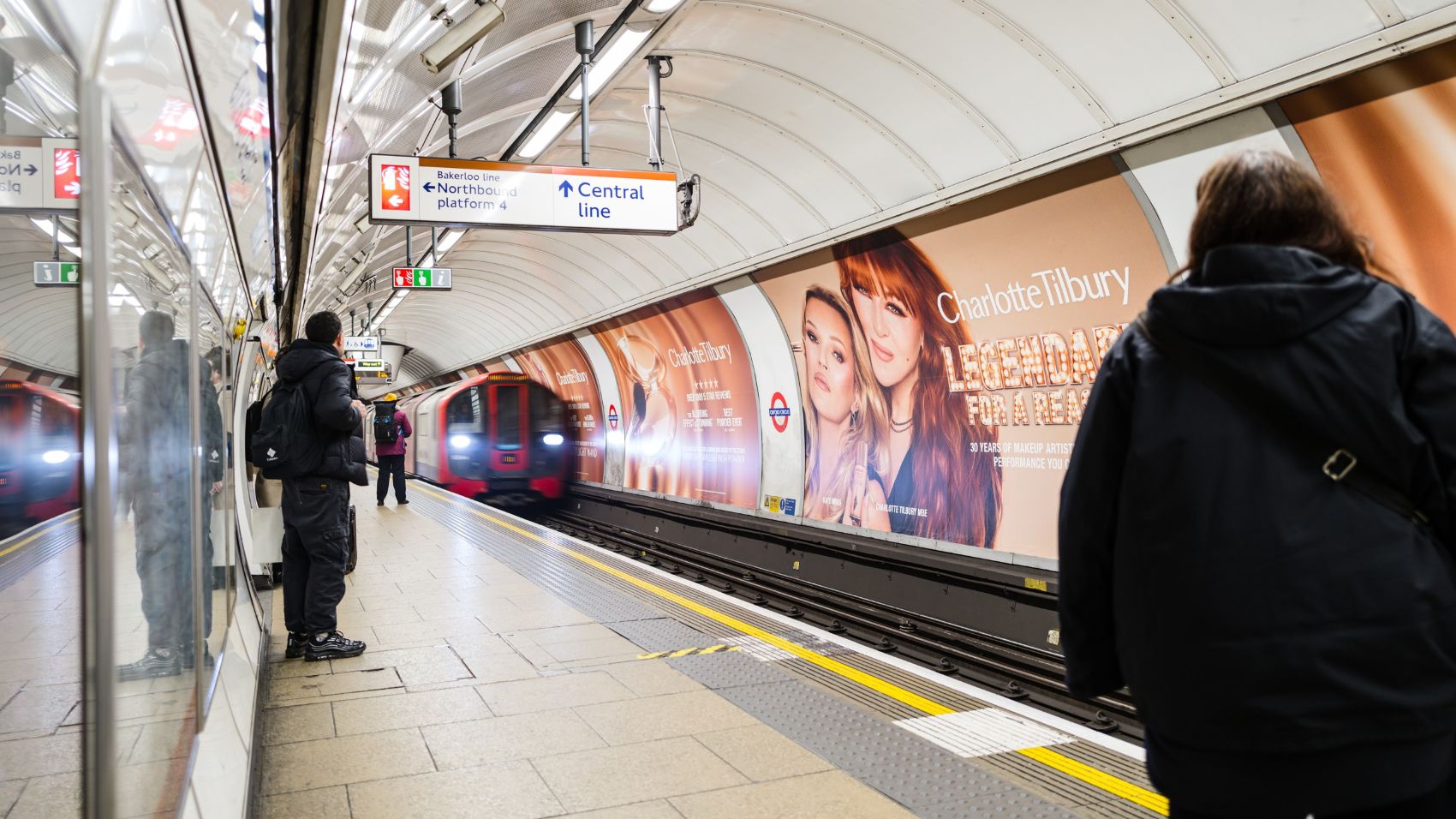
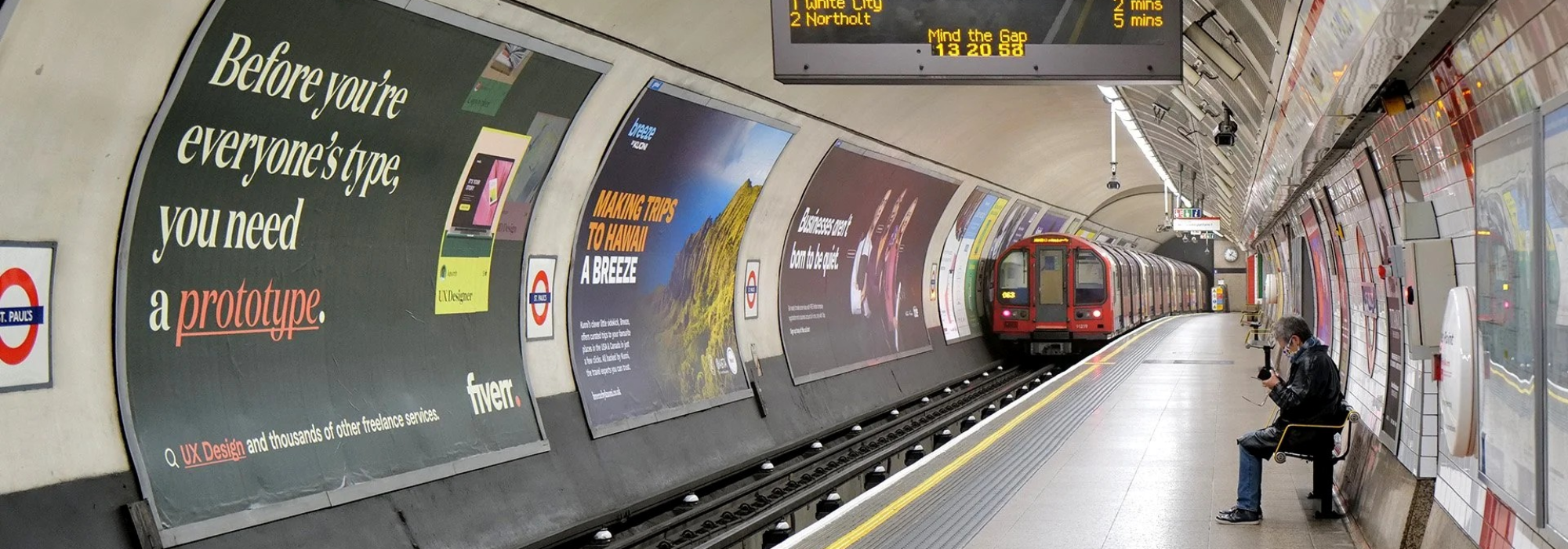
In a world saturated with digital noise, where consumers scroll past hundreds of ads a day, brands are rediscovering The London Underground. More specifically, cross-track advertising, those bold, often unmissable visuals placed directly opposite train platforms, has emerged as one of the most underrated tools in a modern marketer’s plan.
What Is Cross-Track Advertising?
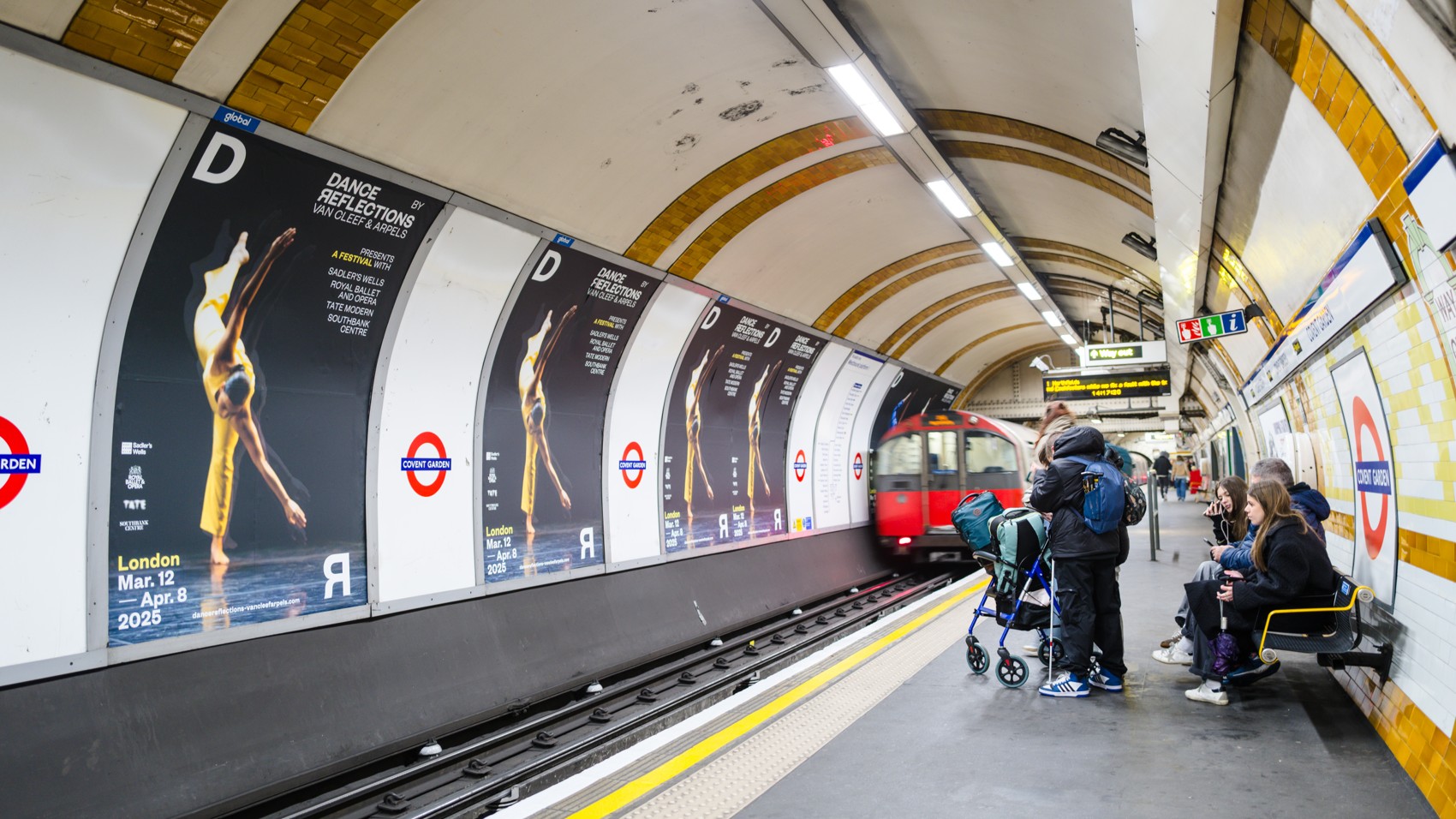
Cross-track advertising refers to large-format ads positioned on the wall across the railway tracks, directly in the line of sight of waiting passengers. Unlike traditional posters or digital screens, these placements command attention during a unique behavioural moment: idle dwell time. When commuters are waiting, often with limited mobile signal, reduced distractions, and a fixed gaze, brands are presented with a rare opportunity: uninterrupted visibility!!
Why It Works: The Psychology of the Platform
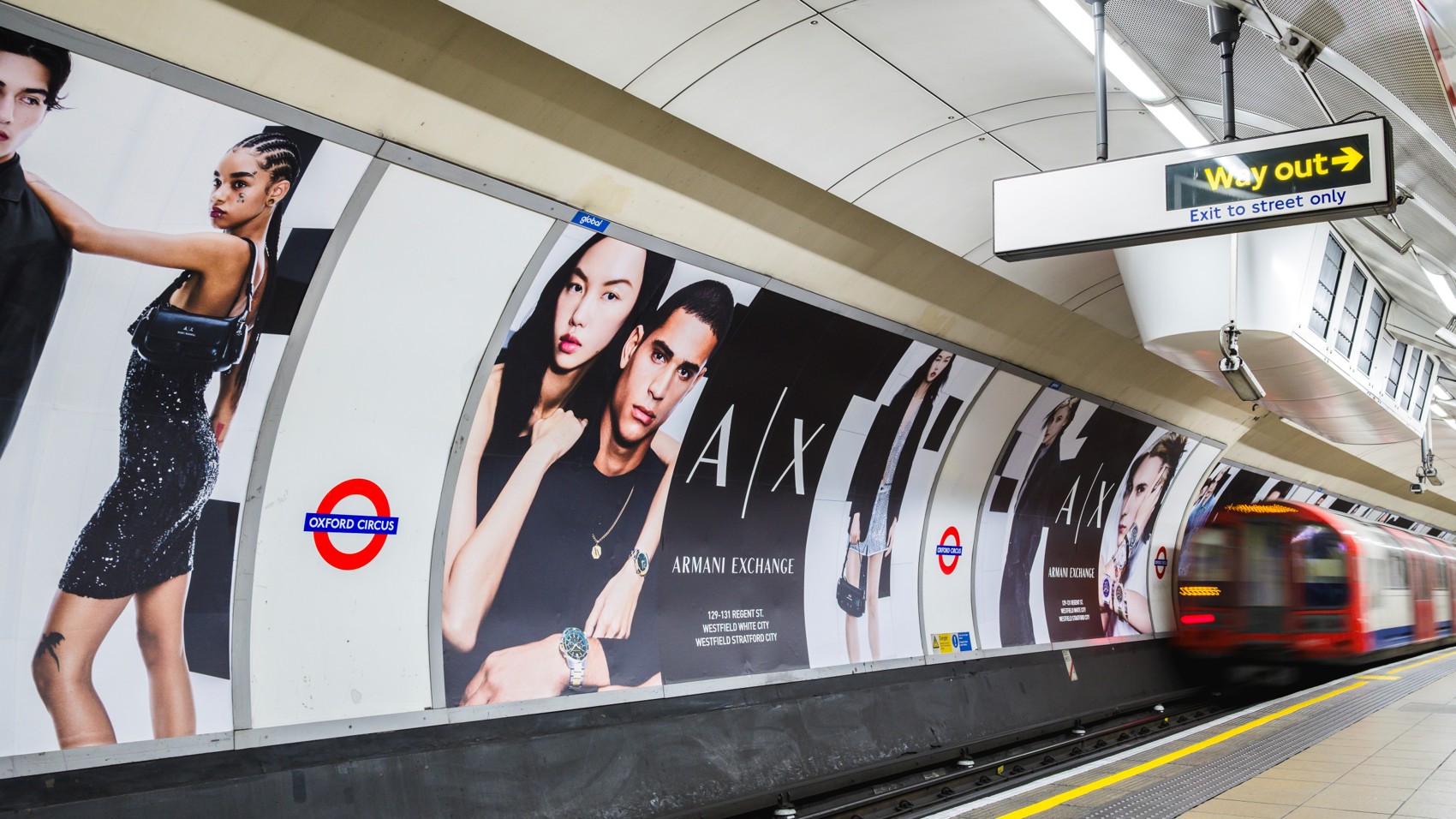
The effectiveness of cross-track advertising lies in a simple truth: attention follows stillness. Commuters on the underground platforms experience micro-moments of pause. With trains delayed, phones losing signal, and little movement around them, their attention naturally drifts. The human brain seeks stimulation, and cross-track ads are often the most visually dominant element in that environment.
This creates three key advantages:
Captive Attention
Unlike digital ads that compete with endless content, cross-track placements benefit from forced exposure. There’s nowhere else to look.
Extended Viewing Time
Average dwell times on platforms can range from 2 to 10 minutes. That’s significantly longer than the milliseconds brands get online.
Reduced Cognitive Clutter
Underground environments are visually simpler. Fewer competing messages mean higher recall.
Creative That Cuts Through
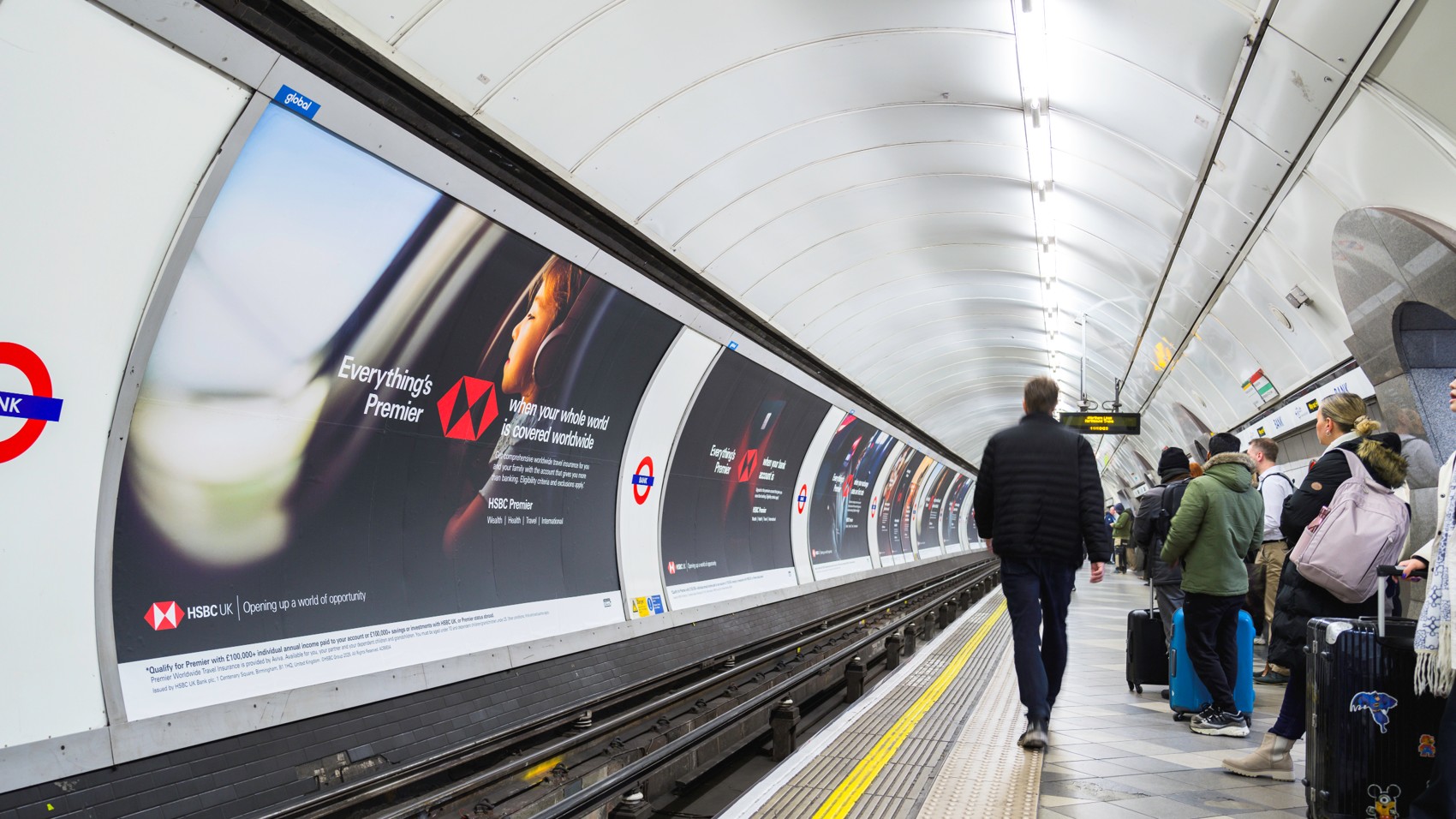
Not all cross-track ads are created equal, and the ones that truly stand out are those that lean into the format instead of fighting it. Bold simplicity rules: think huge fonts, striking contrasts, and just enough text to get the point across in three seconds flat. But the magic doesn’t stop there. Some brands are turning entire platforms into storytelling canvases, using sequential panels to unfold a narrative as commuters move along the tracks. Suddenly, what could be just another static ad becomes an unexpected, immersive experience, one that stops people in their tracks and makes them look.
When Should Brands Use It?
Cross-track advertising isn’t for every campaign, but it excels in specific scenarios:
Brand awareness pushes where reach and recall matter most
Product launches that benefit from high-impact visuals
Localised campaigns targeting city-specific audiences
Luxury or premium branding, where the environment enhances perception
Final Thoughts: The Power of Being Seen
In a world driven by endless scrolling and shrinking attention spans, cross-track advertising offers something refreshingly rare: a moment of stillness. Down on the platforms, between the rush of arriving trains, audiences aren’t swiping or skipping; they’re simply looking. That pause creates a powerful window where brands can cut through the noise with clarity and creativity. It’s a reminder that impactful marketing doesn’t always need more data, more targeting, or more noise; sometimes it just needs the right moment. And right now, that quiet space across the tracks might be one of the most valuable places a brand can be.