The Media Channels Hiding in Plain Sight
Why the most effective campaigns combine broad reach with everyday relevance
Out-of-home advertising has always been one of the most powerful ways for brands to build awareness. Whether it's a roadside billboard dominating a busy commuter route, a bus campaign travelling through a town centre or a rail poster reaching thousands of daily passengers, traditional OOH formats continue to provide something few other channels can match: large audiences, strong visibility and the ability to make a lasting impression at scale.
However, while these formats remain at the heart of many successful campaigns, the out-of-home landscape has changed considerably over recent years. Brands now have access to a growing range of media environments that allow them to engage audiences not only while they are travelling, but throughout many of the everyday moments that shape their lives.
This isn't about replacing billboards, buses or rail advertising. In fact, their ability to deliver broad reach remains incredibly valuable. What has changed is the opportunity for advertisers to build upon that reach by appearing in locations that sit much closer to people's daily routines and communities.
Consumers spend their time across a wide range of environments. They visit supermarkets, stop for fuel, go to the gym, commute to work, return to residential developments and move through countless local destinations every week. Increasingly, out-of-home media exists within these spaces too, creating opportunities for brands to reach people in environments that feel familiar, relevant and part of everyday life.
This evolution has given media planners greater flexibility than ever before. In the past, an out-of-home plan may have focused primarily on delivering the highest possible coverage across a town, city or region. Today, planners can still achieve that broad reach through traditional formats, while also selecting environments that align closely with a specific audience's lifestyle and behaviour.
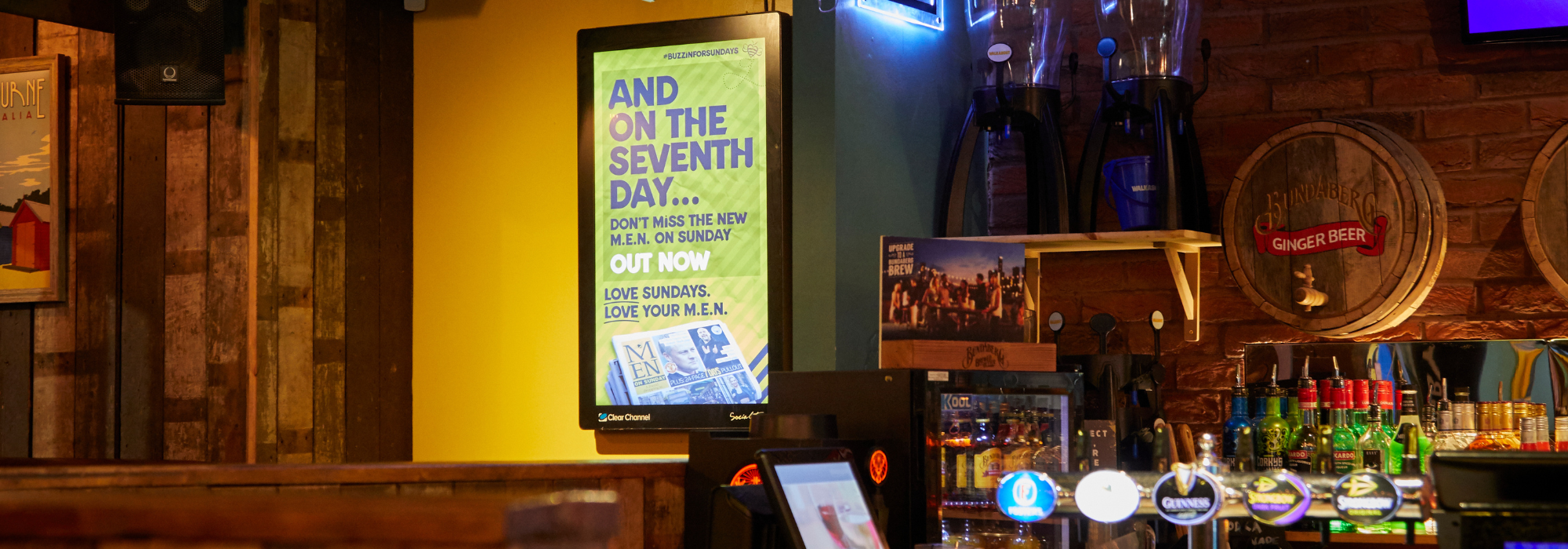
For example, a regional retail campaign may utilise roadside and bus advertising to establish visibility across a catchment area, ensuring the brand is seen by large volumes of people throughout the week. Alongside this, formats such as supermarket screens can place that same message within locations that customers regularly visit, creating additional opportunities for familiarity and reinforcement. The objective is not simply to increase the number of impressions delivered, but to create a more rounded presence across the environments that matter most to the audience.
The same principle can be applied across a growing range of specialist OOH formats. Advertising within petrol station networks such as Shell reaches consumers during routine journeys. Residential media places brands within apartment developments and managed living environments, offering repeated exposure among clearly defined communities. Gym and leisure centre screens engage audiences during activities that often form part of a regular weekly schedule.
What makes these environments particularly interesting is their ability to bring a greater degree of audience focus to an out-of-home campaign. Traditional billboards and transport advertising are often planned around geography and scale, reaching large numbers of people within a particular area. Newer formats provide another layer of planning consideration, allowing brands to think not just about where audiences are located, but where they spend their time.
For some campaigns, that may mean reaching shoppers within supermarkets. For others, it may mean targeting young professionals through residential media, health-conscious audiences through gym networks or motorists through forecourt media. Each environment offers a different context, a different audience profile and a different role within the wider media strategy.
The real opportunity lies in understanding how these formats can work together. Broad-reach media remains essential for building awareness, credibility and visibility across a market. More targeted out-of-home environments then allow brands to strengthen their presence among particular audiences or within specific communities. When planned effectively, the result is a campaign that combines the impact of scale with the relevance of place.
As the sector continues to evolve, the strongest out-of-home campaigns are likely to be those that embrace both approaches. Large-format roadside sites, buses and rail advertising will continue to play a vital role in creating mass awareness. At the same time, the growing range of media found within supermarkets, petrol stations, residential developments, gyms and other everyday locations provides advertisers with new ways to connect with audiences in more focused and meaningful environments.
Out-of-home has never been limited to a billboard. Today's media landscape offers brands the opportunity to be present throughout the places where people live, shop, travel and spend their time. The most effective campaigns recognise that reach and relevance are not competing objectives. Increasingly, they are achieved through the same strategy.
